
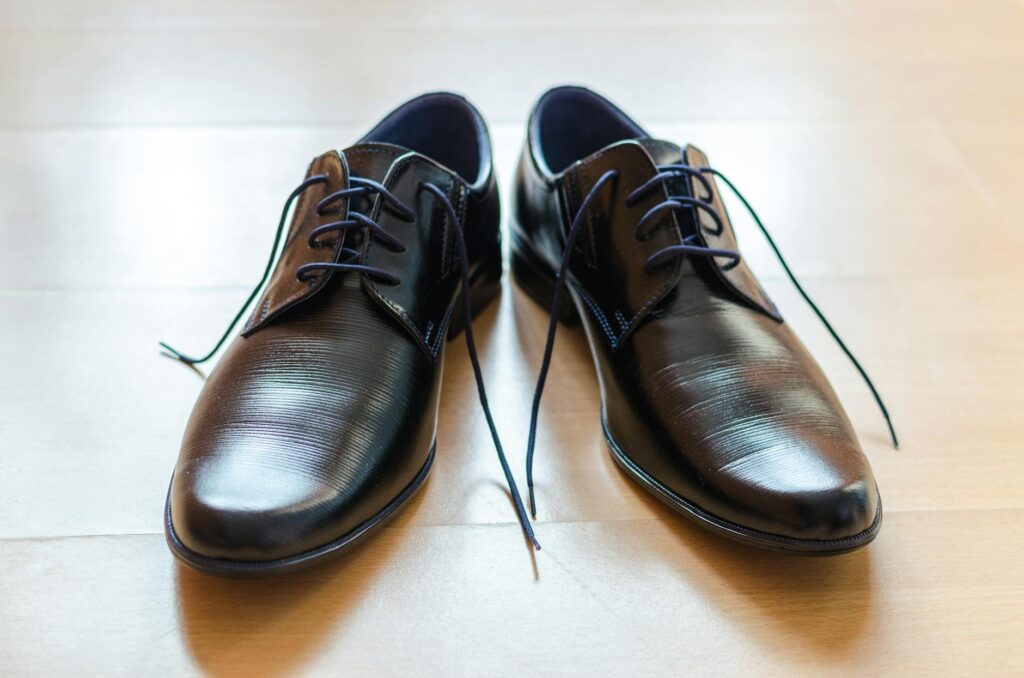
Many people are unaware their shoes are failing them. You may think your feet are sensitive or that pain is a part of getting older, but much of the time, the problem starts at the ground. The wrong shoes transform an ordinary day into an exhausting march—and even worse, it’s insidious. You don’t feel the damage right away.
Your feet were never meant to support themselves on the flat surfaces you walk every day of your life. They need help. When they don’t get help, everything from your heels to your lower back suffers.
The Flat Sole Problem
The number one kind of shoe that most people wear which is actually detrimental are completely flat shoes. Pretty ballet flats, basic flip flops, those thin canvas sneakers that cost ten bucks fail to give any arch support. So, every step you take relies on the plantar fascia (the thick band of tissue on the bottom of your foot) to do all the work.
When you wear flats and minimalist shoes all day, your feet are being asked to do extra work in addition to what they normally do. The arch collapses inwards, and over time it is working harder than it should be. Once the arch collapsed, plantar fasciitis occurs, heel pain increases and eventually knee issues happen. But the pain doesn’t occur right away; it happens over time with continued wear when it’s too late for many until something fails.
Most people need at least some arch support. Not crazy high like an orthotic but enough to keep the foot in a natural position.
Summer Footwear That Seems Harmless
Summer brings out the worst. Those cheap flip-flops that every family gets when they go to the supermarket are just foam with a strap. Your foot grips on with its toes to keep it on which creates tension across the entire foot and subsequent lower leg.
Yet people wear them everywhere. Not just to the beach for an hour but running errands, walking the dog, standing idly at a barbeque. All day long your feet are overstretched and overworked trying to compensate for shoes that do not help.
But summer footwear doesn’t have to hurt you. There are thongs designed with actual support built in, like an orthaheel thong that gives your arch what it needs while still being casual and breathable. The difference between supportive and unsupportive summer shoes is massive, and you’ll feel it by the end of the day.
The Too-Tight and Too-Loose Problem
People underestimate the power of fit. Shoes too tight crowd your toes together, causing bunions, hammertoes, nerve pain and more as they beg naturally for spread when walking—something unnatural when crammed together.
But what’s worse? Shoes too loose—they slide around on your foot and cause blisters as well as additional effort as people are forced to stabilize their foot within their own slipper-like shoes. Giving your foot breathing room is not helpful; it needs confined support.
When a shoe fits well, your heel does not slip out, there’s enough room for your toes to move but not enough for the shoe to slide off your heel. It’s a fine balance but one worth exploring.
Worn-Out Shoes You Should’ve Replaced
This is probably one of the most common offenses against a person’s feet and best thing people can do is throw out their shoes after they’ve lost their support. The midsole breaks down, the heel cup collapses; suddenly you’re left with something that’s about as supportive as a cardboard cut-out.
It’s not always visual, either—a shoe can look perfectly fine on the outside but internally it’s shot. If you’ve had a pair of shoes for over a year and they’re your daily shoes worn consistently every day, chances are they’re no longer supportive.
Athletic footwear should be replaced every 500-800 km of walking or running; everyday shoes may last longer but take the time to determine how they feel every single day at the end of wear—additional fatigue or pain upon evaluation means it’s time to get new shoes.
Heels That Change Everything
Heels are problematic because they shift your center of gravity forward through your arches and toes leading to added stress in a position your feet were never meant to be in for prolonged periods of time (or at all). The higher the heel, the more problematic it becomes since all the weight is put into an area where little reinforcement exists.
Moderate heels change how we walk (anything over 2 inches) and how our ankles, knees and hips bear weight—pain becomes systemic through our bodies in places where we never intended them to be until poor footwear choices rear their ugly heads.
An occasional event may be cute but wearing heels all the time contributes to metatarsalgia (pain in your forefoot), ankle instability and shortened Achilles tendons.
What Actually Helps
Good footwear doesn’t have to be ugly or expensive; it just needs to do a few simple things: support an arch, cushion a heel, fit properly and offer no movement beyond what should naturally occur on a foot. If good footwear fails or opposes the natural position of a foot, it will hurt someone.
If you find yourself coming home and your feet hurt or your knees ache or your back feels sore, most likely it’s your fault—and what can you change? Look down; it might just be a pair of faulty shoes that’s easy to fix.